
What's on · Mon 23 Nov 2026
Mozart & Chinese Folk Music: Mozart on gut strings, two beloved folk tunes, and a possible first for Hong Kong
A period-instrument string quintet brings Mozart's divertimenti and Eine kleine Nachtmusik to Hong Kong and Macau in late January 2027, paired with Jasmine Flower and Purple Bamboo Melody in new arrangements by bass player Andrew Arceci. Three concerts: an afternoon at the University of Hong Kong's Drake Gallery, a members-only evening at the American Club, and an evening at the Clube Militar in Macau. The players answer our questions on gut strings, on why these two traditions belong on one stage, and on what may be a first for Asia.
In late January 2027, five string players bring two musical worlds to three rooms across Hong Kong and Macau. The programme is called Mozart & Chinese Folk Music, and the title is the whole idea: Mozart's Divertimento in D major, K. 136, his Divertimento in F major, K. 138, and Eine kleine Nachtmusik, played on period instruments with gut strings, set alongside two of China's best loved folk melodies, Jasmine Flower and Purple Bamboo Melody, in new arrangements by the group's bass player, Andrew Arceci.
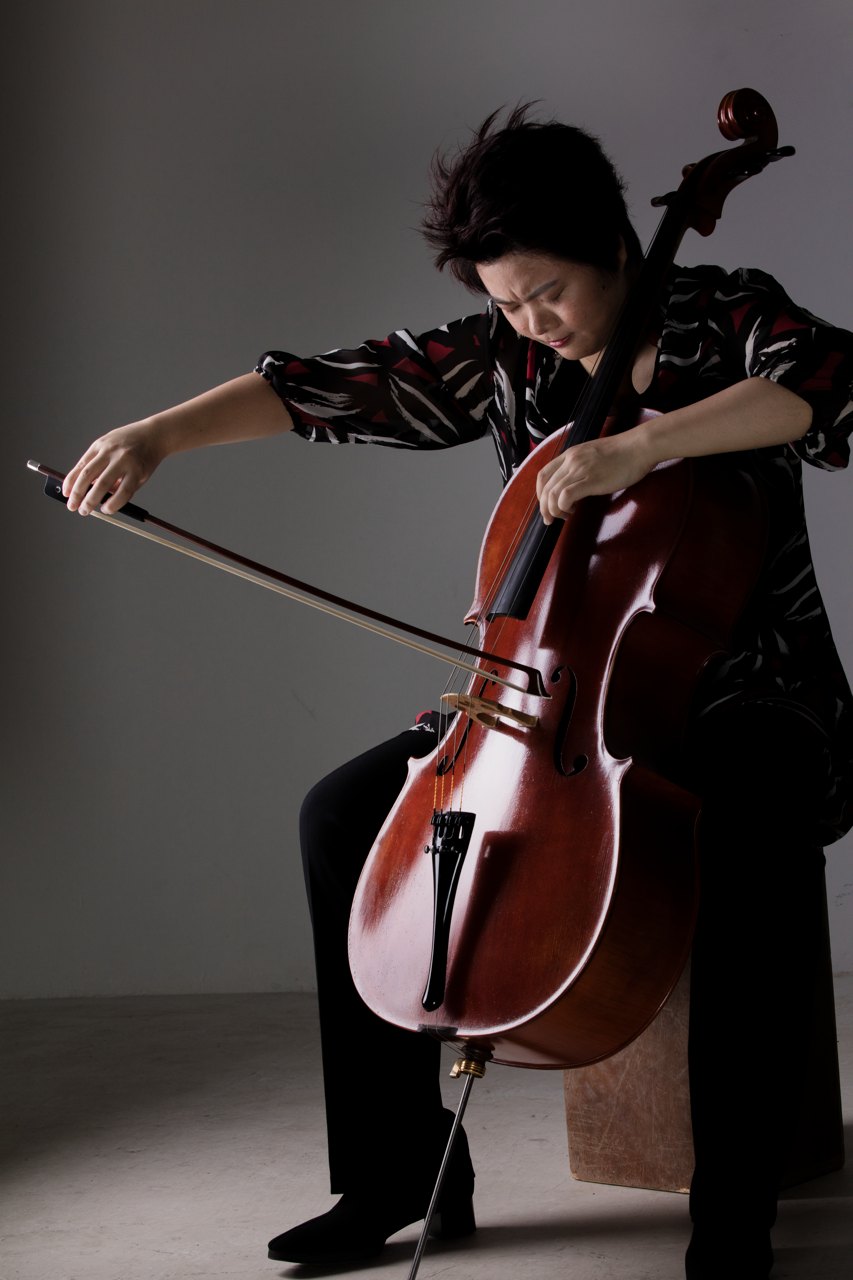
The quintet is built for the experiment. Asako Takeuchi and Abylay Nurlybek play violin, Lauren Nelson viola, Denise Fan cello and Arceci bass, and between them their working lives run through the period-instrument world: Boston Baroque, the Handel & Haydn Society, the Wallfisch Band, Moscow's conductorless orchestra PERSIMFANS. In their answers to our questions below, Fan says the January performances may mark the first presentation of a period string quintet in Asia, with Mozart played on gut strings at the Classical pitch of A=430, possibly a first of its kind in Hong Kong. Those are the players' own claims, made with their own hedges, and the concerts are worth hearing whichever way the record books settle.
The three concerts
Tuesday 26 January 2027, 1:00 to 2:00pm: An Afternoon of Mozart & Chinese Folk Music, Drake Gallery, University of Hong Kong. The public centrepiece of the run: a one-hour afternoon concert in the University Museum and Art Gallery's Drake Gallery, on the first floor of the Fung Ping Shan Building at 90 Bonham Road, Pokfulam. Ticket arrangements have not been published yet; the museum posts its own listing in the run-up to the concert.
Thursday 28 January 2027: An Evening of Mozart & Chinese Folk Music, The American Club Hong Kong. A private event, open to club members only, with reservations through the club. No public tickets exist for this one; we list it so nobody wastes a trip, and because it is part of the run.
Friday 29 January 2027: An Evening of Mozart & Chinese Folk Music, Clube Militar de Macau. The Macau leg, at the Military Club on Avenida da Praia Grande. The start time and ticket arrangements have not been published yet.
The venues post their full details in December and January, and we will fold them in here as they appear. For now, the dates, the rooms and the programme are confirmed by the quintet, and the afternoon at the university is the one to plan around.
The programme
The Mozart half is the composer at his most sociable: the two divertimenti, written when he was a teenager and still fizzing with it, and Eine kleine Nachtmusik, the serenade almost everyone alive can hum. The Chinese half is two melodies with the same kind of reach at home: Jasmine Flower (茉莉花), the folk tune so widely loved it has become a musical emblem of China, and Purple Bamboo Melody (紫竹調), a Jiangnan favourite. Arceci's arrangements put both on gut strings, which is where the Q&A below gets interesting: the players argue the older instruments do not dress the tunes up, they change how the tunes speak.
In their own words
We put our questions to the quintet, and three of the players answered, each in a different voice: Denise Fan on where the idea came from, Andrew Arceci on the instruments, and Asako Takeuchi on bringing the programme to Macau.
Mozart and Chinese folk music is an unusual coupling. Was there a specific piece or moment that made you think these two worlds belonged on one stage, or did the idea come first and the repertoire follow?
"We are drawn to tracing the 'classic' elements in music that continue to excite and touch people across cultures, languages and generations, and exploring how historical performance might illuminate these connections in new ways. This January sets in motion our efforts to cultivate historical performance practice and its artistic community in Asia: bringing audiences here the evolving conversations and discoveries happening across the world, finding our own sonic identity and expressions, and venturing into the uncharted artistic territories this practice might open up in a dynamic and culturally embracing city like Hong Kong. In conceiving this program, we go straight to the heart of the Classical repertoire with some of Mozart's widely recognized and much-loved divertimenti, a deliberate choice to broaden the understanding of historical performance beyond its automatic association with the Baroque. The timeless Chinese folk melodies lend themselves beautifully to the distinctive timbral qualities of gut strings, which amplify their inherent vocal expression through the warmth and natural inflections intrinsic to playing on gut. With Andrew's creative touch in the arrangements, we extend the spirit, artistic rigor and sensibilities of historically informed interpretation into new musical expressions of our time. Our performances in January may mark the first presentation of a period string quintet in Asia, with Mozart performed on gut strings at the contemporary Classical pitch of A=430, possibly also the first of its kind in Hong Kong." (Denise Fan)
You and Asako come from the period-instrument world. Are you playing on gut strings and classical setups for this, and if so, how does that change how the Chinese material sounds compared to modern strings?
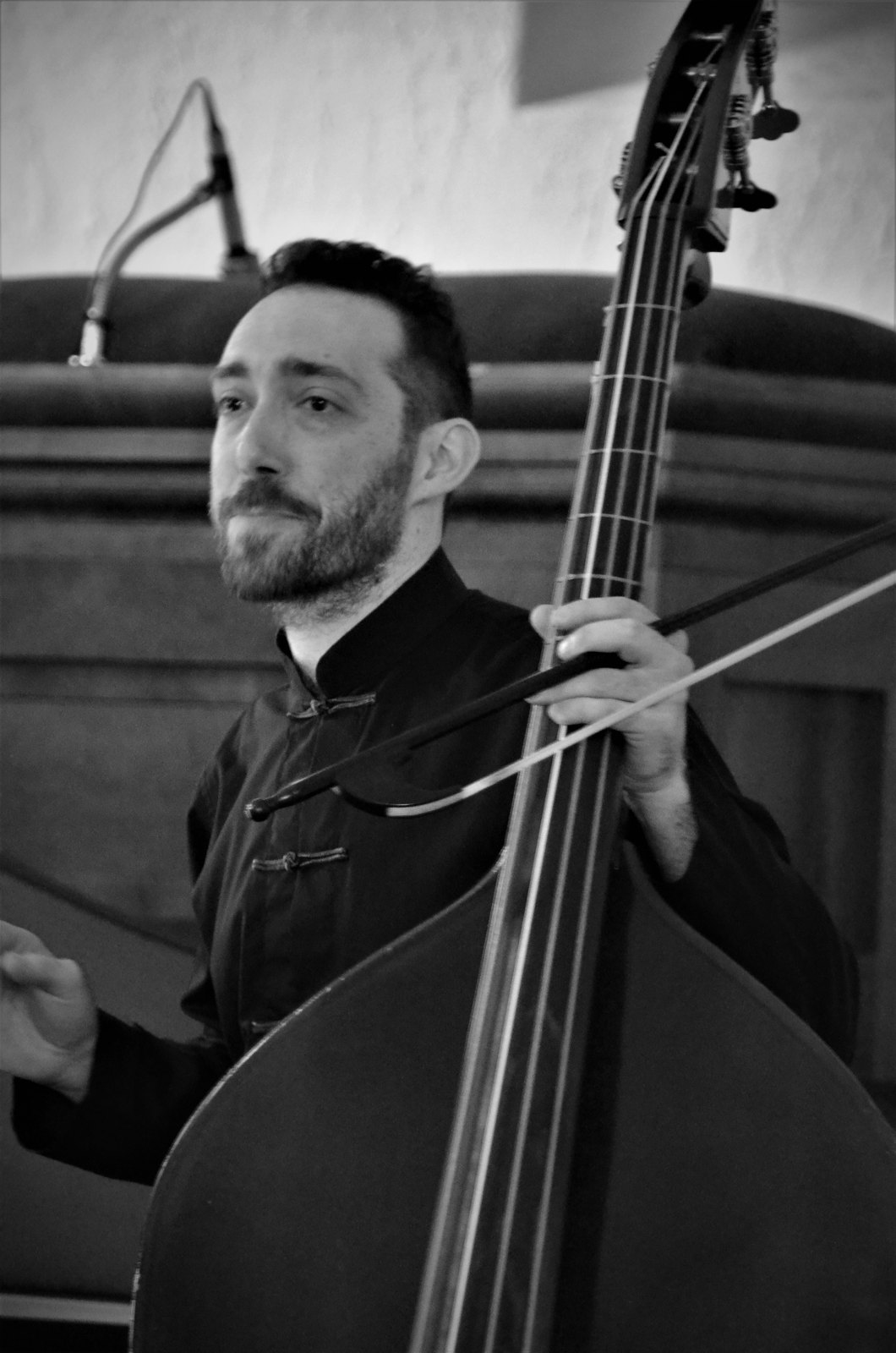
"Certainly, yes. Lauren, Denise, Asako, and I have worked together in several 'historically informed performance' circles. Our training naturally influences the way we approach this repertoire. Using period instruments, with gut strings and appropriate bows, offers a different palette of colours. Additionally, we'd like to explore how these instruments invite nuances within the Chinese folk music, a lighter, more transparent sound, a distinctive approach to articulation, and subtle expressive details." (Andrew Arceci)
Macau has a Portuguese-Chinese musical history of its own. Did that factor into bringing the concert there, and is there anything in the programme nodding to it?
"Hong Kong and Macau have long histories of cultural exchange, and the idea of bringing together Mozart and Chinese folk music feels very much in keeping with that spirit. We hope the concerts will offer audiences an opportunity to experience these two distinct musical traditions side by side and appreciate the connections between them." (Asako Takeuchi)
Meet the quintet
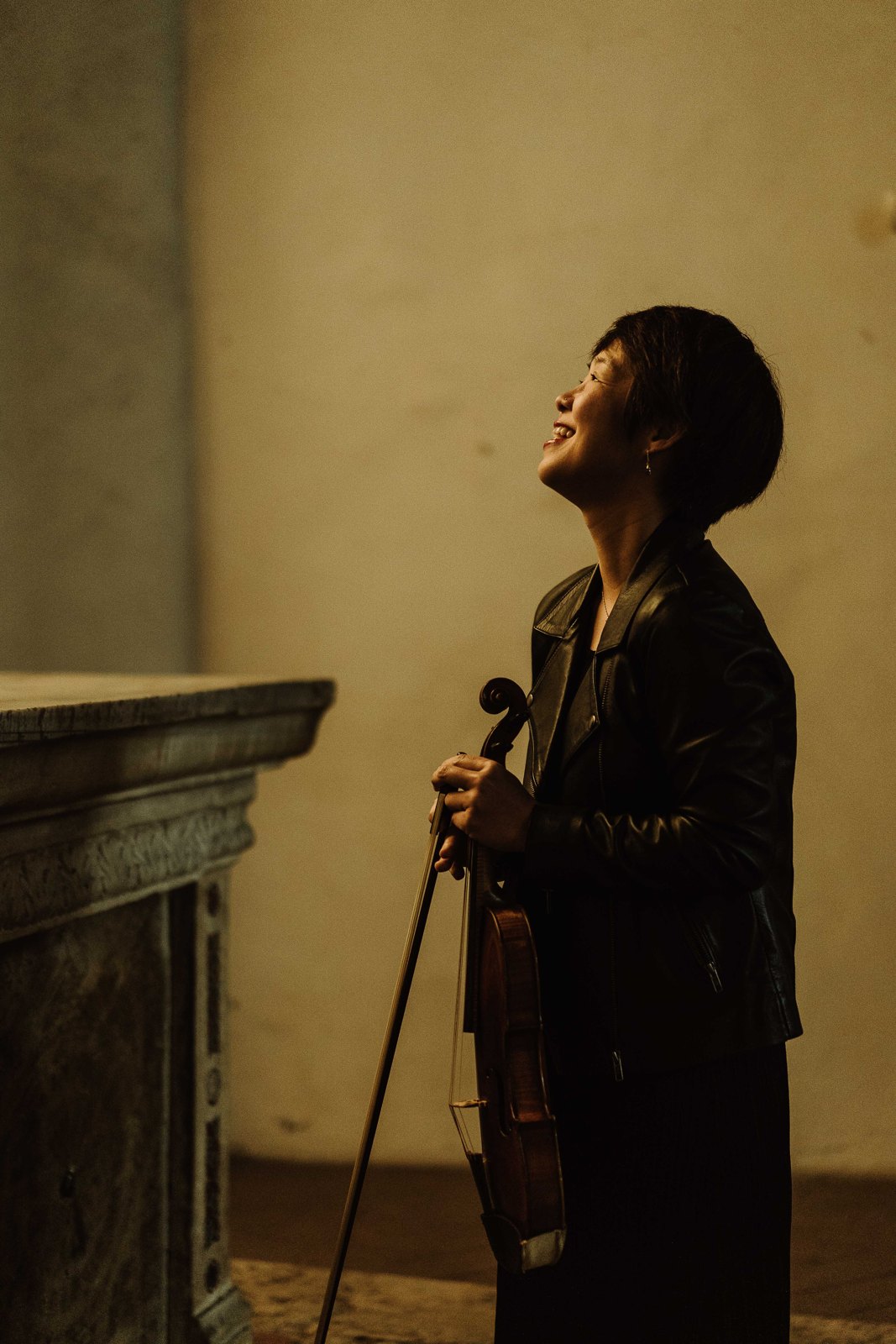
Asako Takeuchi, violin. A baroque violinist who has played with the Wallfisch Band in the UK, Collegium Musicum Den Haag, Arion Baroque Orchestra in Canada and Boston's Handel & Haydn Society and Boston Baroque, and trained at the Royal Conservatory in The Hague. Her festival list runs from Utrecht's early music festival to the Deutsches Mozartfest.
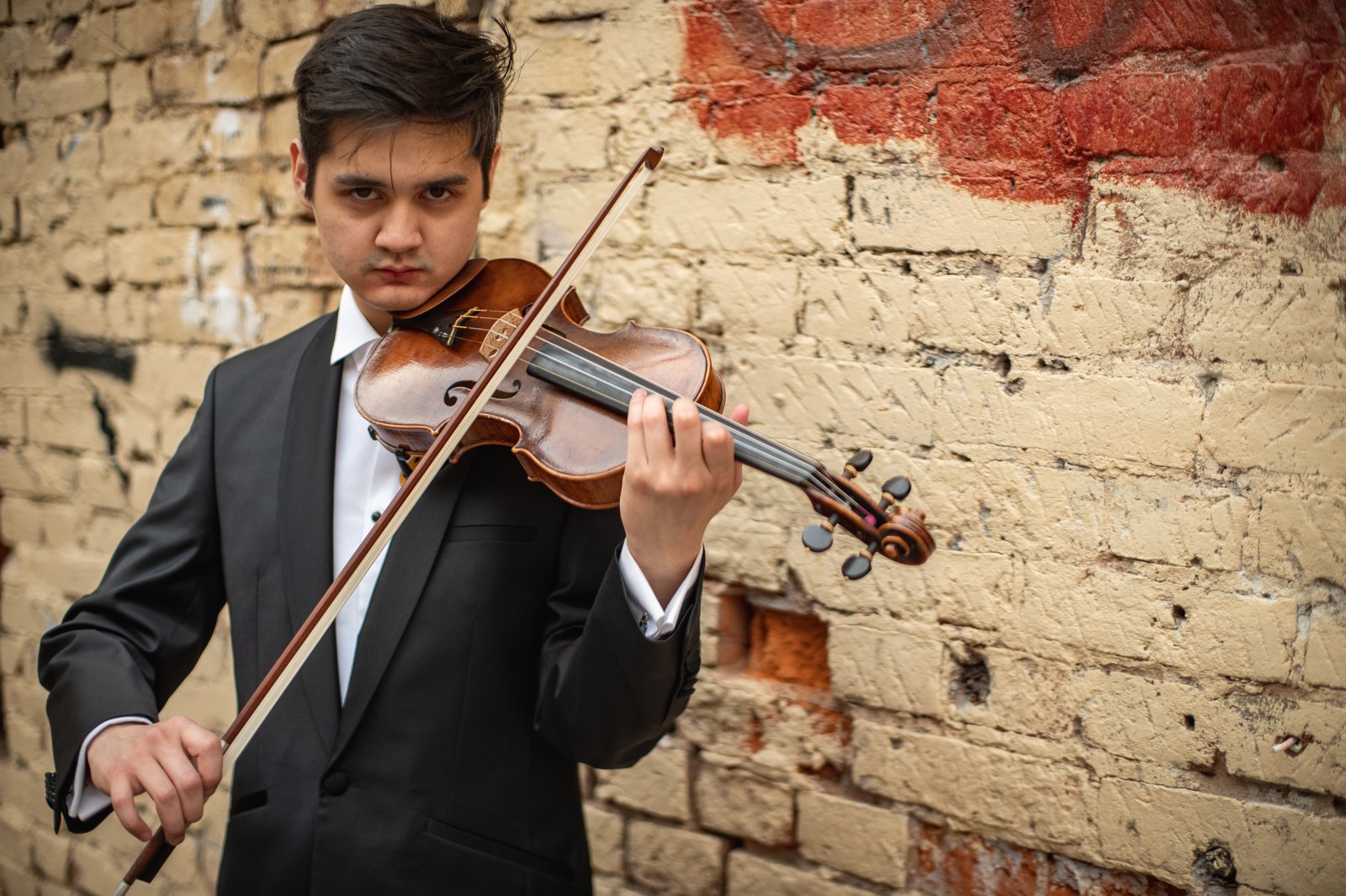
Abylay Nurlybek, violin. From Kazakhstan, a graduate of the Moscow State Tchaikovsky Conservatory who spent six years as a core member of PERSIMFANS, the renowned conductorless orchestra. He is now in Hong Kong, studying scoring for film, television and video games at Hong Kong Baptist University, and composes for film alongside the violin. He took part in the International Tchaikovsky Competition and holds prizes from competitions in Hong Kong, Krasnoyarsk and Almaty.
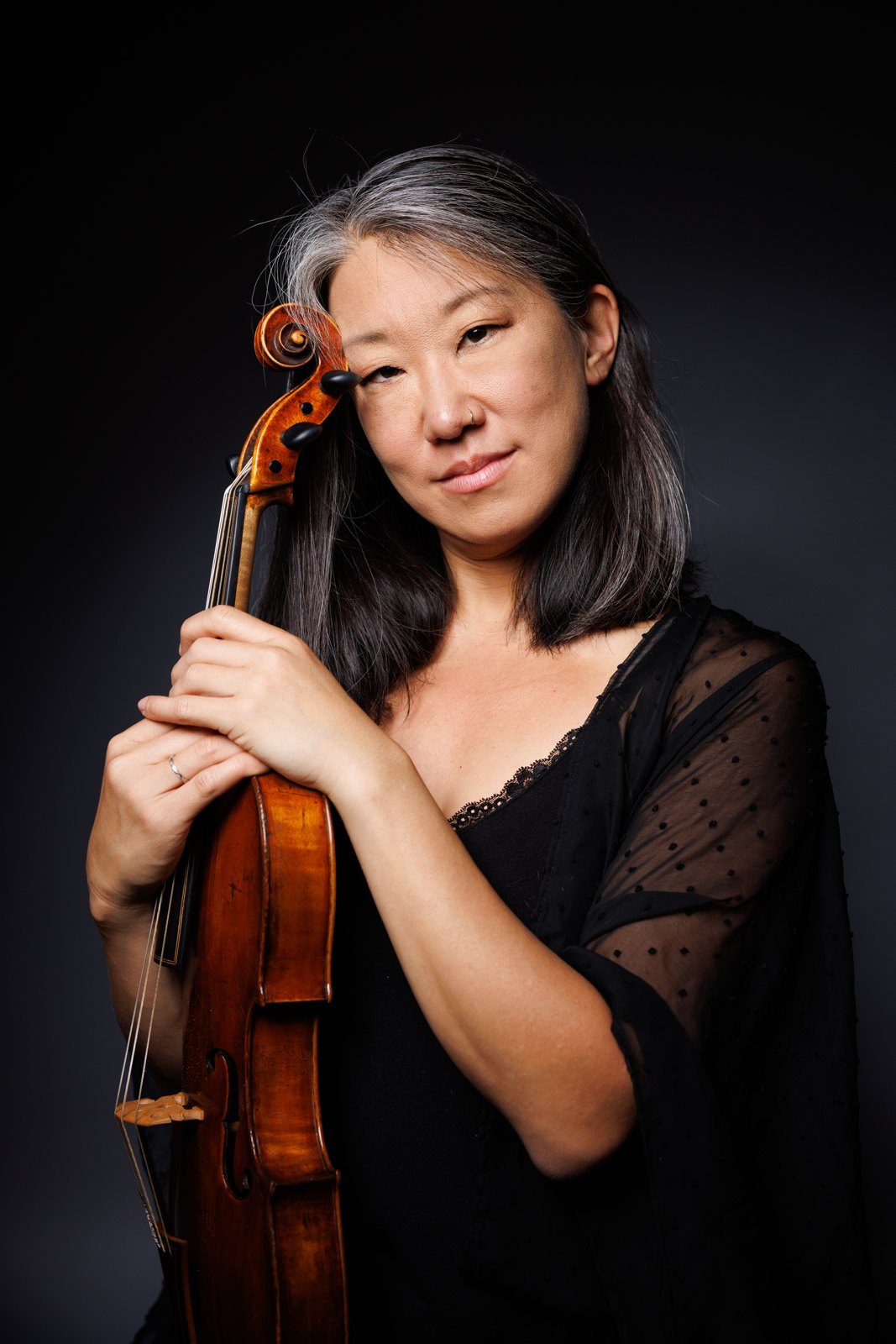
Lauren Nelson, viola. A period violist at home in Boston Baroque, the Handel & Haydn Society and a string of American early music ensembles, who has also played Carnegie Hall, the Kennedy Center and Prague's Rudolfinum and Estates Theatre. She trained at the New England Conservatory and the Eastman School of Music.
Denise Fan, cello. A cellist and scholar of historically informed performance with a doctorate from Boston University and first class honours from Hong Kong Baptist University. Her postdoctoral research project, The Speaking Bow, studies how a player's native language quietly shapes string sound and listener perception. She has been guest director of Collegium Musicum Hong Kong and a research fellow for the Hong Kong Museum of Art's Road to the Baroque exhibition.
Andrew Arceci, bass. A multi-instrumentalist who has performed across North America, Europe and Asia and recorded for labels including Deutsche Harmonia Mundi and Cedille Records. He directed the Collegium Musicum at Wellesley College, was a Visiting Fellow at Harvard's Center for Middle Eastern Studies in 2019-20, and arranged the two folk melodies for this programme.
Why this run matters
Read Fan's answer again and the three dates become more than a short tour. The quintet is using the concerts to open a longer project: building a historical performance scene in Asia, with Hong Kong as its base, and testing what period instruments do to music far outside the European canon they were built for. A one-hour afternoon concert in a university gallery is a modest way to start something that ambitious, which is rather the point. If it works, January's audiences will have heard the first draft of it: Mozart as his contemporaries heard him, and two Chinese melodies sounding older and newer at the same time.
More reading on the articles page, or go straight to the events calendar.
Noteworthy events direct to your inbox.
Get what’s noteworthy for the weekend and beyond every Wednesday in your inbox.